The World calls it the Cape Floral Kingdom, we call it Fynbos. Fynbos is acknowledged as one of the world’s 6 floristic kingdoms and is the most diverse and unique of these botanical groupings. Many of the plants are found nowhere else in the world other than here in the Western Cape.
With this collection I wanted to celebrate this beauty and diversity by having the plants sculpted and cast in silver and set against wood from trees indigenous to Southern Africa. I deliberately avoided those plants that have become “iconic” examples of Fynbos and focused on lesser known or frequently overlooked plants.
However, I also want to highlight the extreme vulnerability of much of the Fynbos. With rapid urban expansion and agricultural practices many of these unique plants are in danger of becoming extinct.
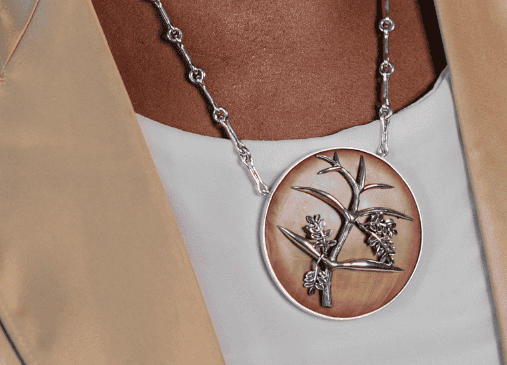
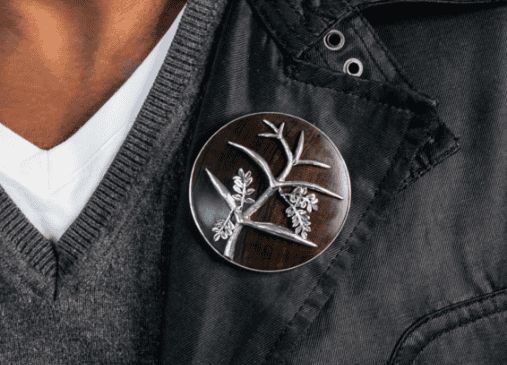
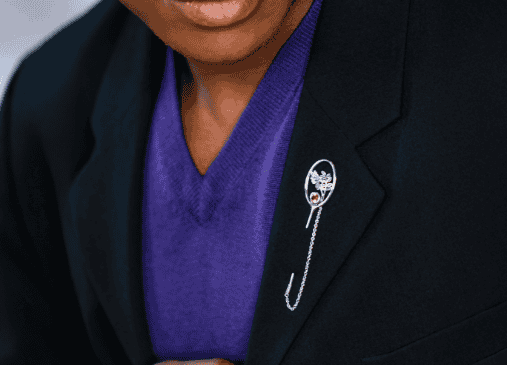
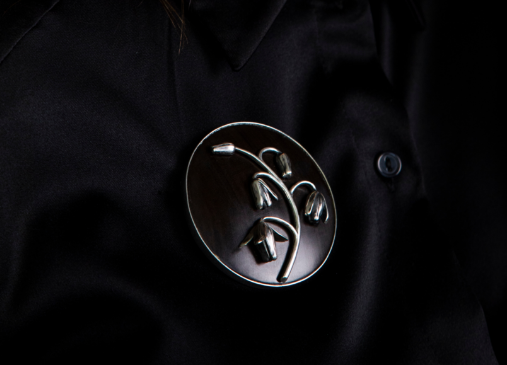
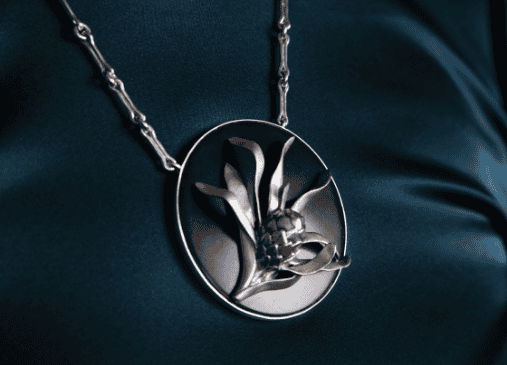
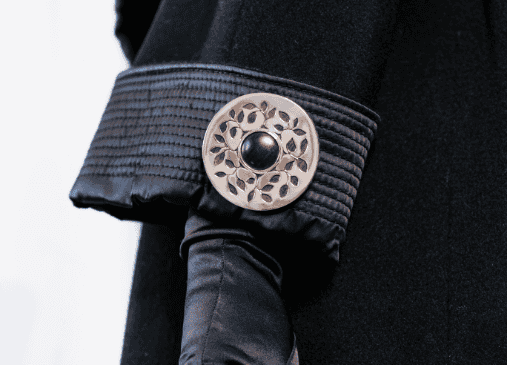
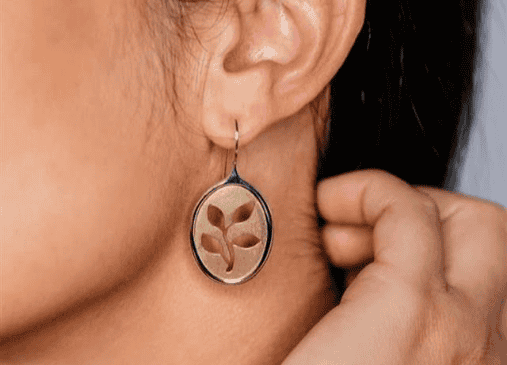
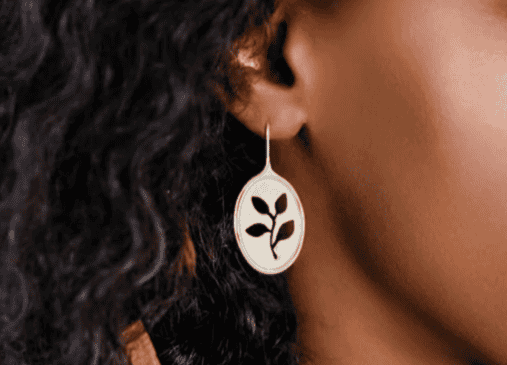
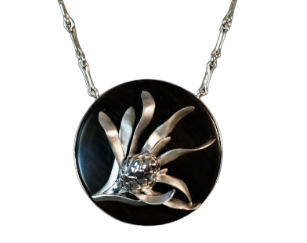
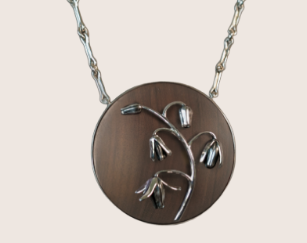
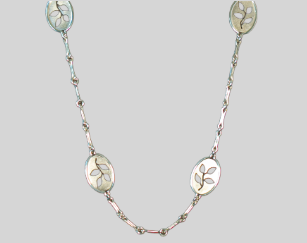
The 5 designs include the ‘Fynbos’ design, a stylised interpretation of the small or fine leafed plants that the name Fynbos alludes to, the Conebush, the Cape Climber, the Albuca and the Acacia designs.
Jewellery
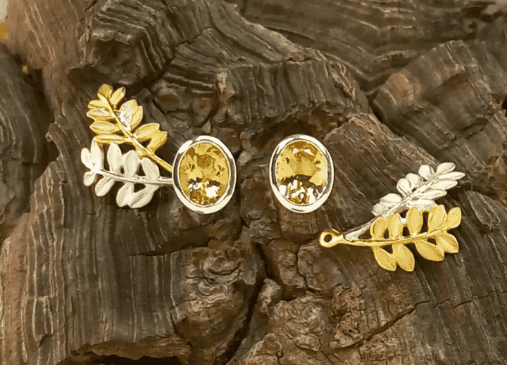
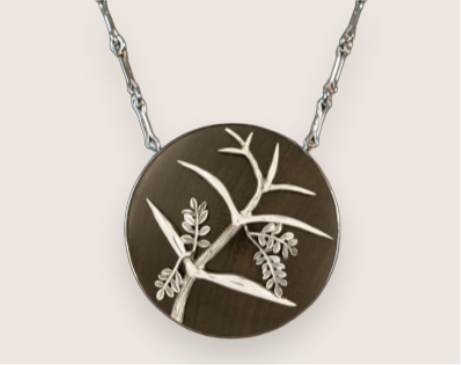
Acacia
The word Acacia comes from the ancient Greek word, “akis”, which means thorn or barb. While the thorn tree, as is it most commonly referred to, is widely spread throughout Africa, the beautiful sculptural quality of its thorns is often overlooked because it is so commonplace.
Sorry, your ID is maybe not correct. And please make sure that your selected element is developed with Swiper.
Albuca
The rather elegant form and shape of the flowers of the Albuca, reminding me of the corps de ballet, have a distinct art nouveau feel about them and lent themselves beautifully to this design.
Sorry, your ID is maybe not correct. And please make sure that your selected element is developed with Swiper.
Cape Climber
This is a name I coined for this design inspired by Cissampelos capensis, a rather woody plant that sprawls over other bushes as it grows, with its beautiful heart-shaped leaves.
Sorry, your ID is maybe not correct. And please make sure that your selected element is developed with Swiper.
Cone Bush
The sunshine conebush or Leucodendron salignum is probably the most common species of the protea family. There are separate male and female plants and it’s the female flower head that I have depicted in this design.
Sorry, your ID is maybe not correct. And please make sure that your selected element is developed with Swiper.
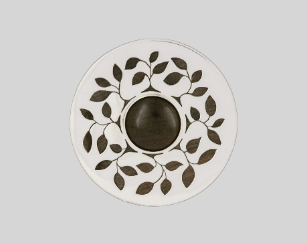
Fynbos
“Fyn” is an Afrikaans/Dutch word meaning small, fine or delicate and is imminently suitable in describing the plants of the Cape Floral kingdom as many of them have multiple small leaves. This very stylised depiction has lent itself well to brooch, pendant, earring and necklace designs.
Sorry, your ID is maybe not correct. And please make sure that your selected element is developed with Swiper.
THE FEATURED INDIGENOUS WOODS:
The silver tree or Leucodendron argentum is a giant protea that is naturally found only on the eastern slopes of Table Mountain. And its name is derived from its beautiful silvery, light refracting leaves.
Although it is a protected tree species there is a real risk of it becoming extinct in the next 50 years. The wood I have used came from a branch that was blown off during one of our typical Cape winter storms.
THE SILVER TREE WOOD
Known botanically as Berchemia zeyheri, the wood of this tree is highly prized for its pink to red colour.
It is a hardwood and lends itself to multiple purposes and the bark of the tree has also been used to dye fabric in the past.
RED IVORY WOOD
Its common name is derived from the shape of its leaves which very closely resemble those of a peach tree.
A useful general-purpose timber, from floorboards, furniture and even components for wagons in the past.
KIGGELARIA (WILD PEACH) WOOD
A very hard wood that lends itself well to making small pieces of jewellery and musical instruments.
Its lovely dark, almost black hue is a perfect foil for silver jewellery.